Texas McCombs MBA Insider

Insider Information for Prospective Texas McCombs MBA Students

Category: Academics (page 2 of 3)

Hands-On MBA: Fall Marketing Trek

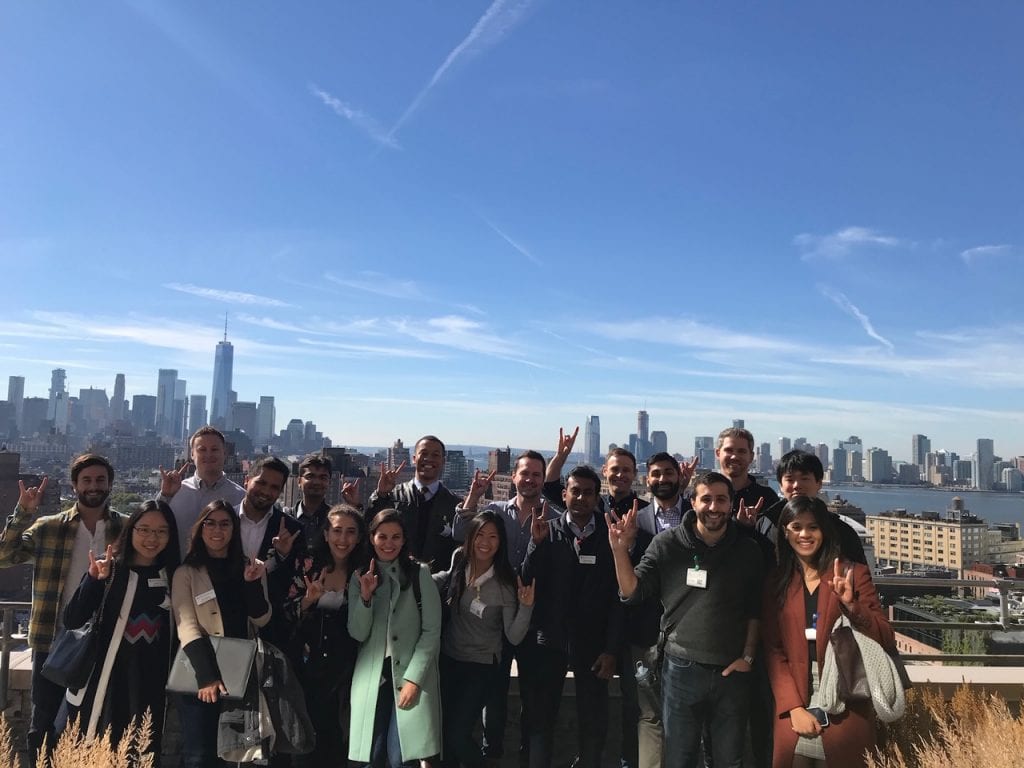
This past October, the Graduate Marketing Network at Texas McCombs hosted their annual Marketing Trek with the MBA Career Management team. 19 first-year students traveled to New York City and visited the offices of Samsung, Google, Pinterest, Adobe, and ZX Ventures!

Career Treks give Full-Time MBAs the opportunity to learn about their industry to become more familiar with the culture of the companies in a real-world context. The companies provide presentations, Q&A sessions, and opportunities to network with alumni and executive management.

MBA students take New York

New York City holds many business opportunities in hundreds of different markets. We caught up with MBA ’20 students Alicia Mercolino, Xingpin Liu, and Saransh Gupta to hear about their experiences and takeaways from the trek–  Saransh is drawn to the city for tech, Xingpin for marketing opportunities, and Alicia wanted to explore the options with a goal to move to NYC in the future.

“My goal is to move back to New York with a full-time offer in hand. I was interested in learning more about and meeting people at companies with MBA opportunities and McCombs alumni.” – Alicia Mercolino

Continue reading

MBA London Exchange: Five Lessons Learned

The following was written by Stephanie Hobart, Texas McCombs MBA ’18. 

London is a city known for its chilly, cloudy weather, warm pints of beer, and public transit via the the London Underground. As a city, it’s almost the complete opposite of Austin, where I chose to pursue my full-time MBA degree. So why would I go to London to spend my exchange semester at London Business School?

The Texas McCombs MBA highlights the need to think globally in business today and then provides an opportunity to explore another corner of the globe on an exchange program. I chose London Business School for my exchange program because I wanted the opportunity to not only live in one of the most diverse cities in the world, but also participate in an MBA program that has an almost 90% international student population. Regardless of language or familiarity with a city, moving to a new location can always be a challenge.

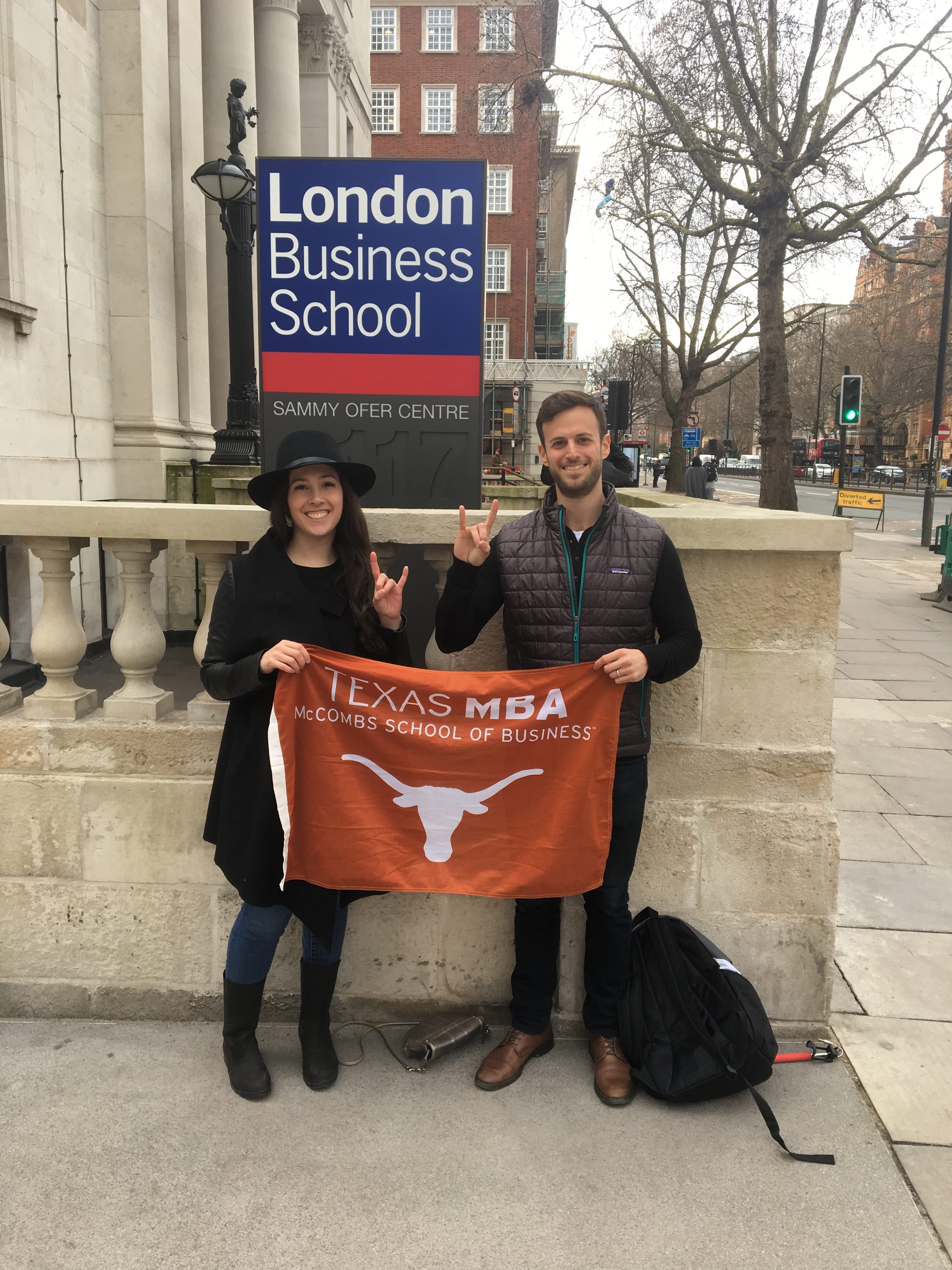
Author, Stephanie Hobart and Daniel Katz, McCombs MBA students on exchange at LBS.

Me and Daniel Katz, both McCombs MBA students on exchange at LBS on our last day of class!

Three semesters of business school prepared me for meeting large groups of new people, engaging in classroom and networking conversations, and the change of scenery from Austin to London provided me the chance to learn about life in a European MBA program in one of the most dynamic cities in the world.

Five London Lessons Learned

Continue reading

Texas MBA Global Connections: Explore. Discover. Lead.

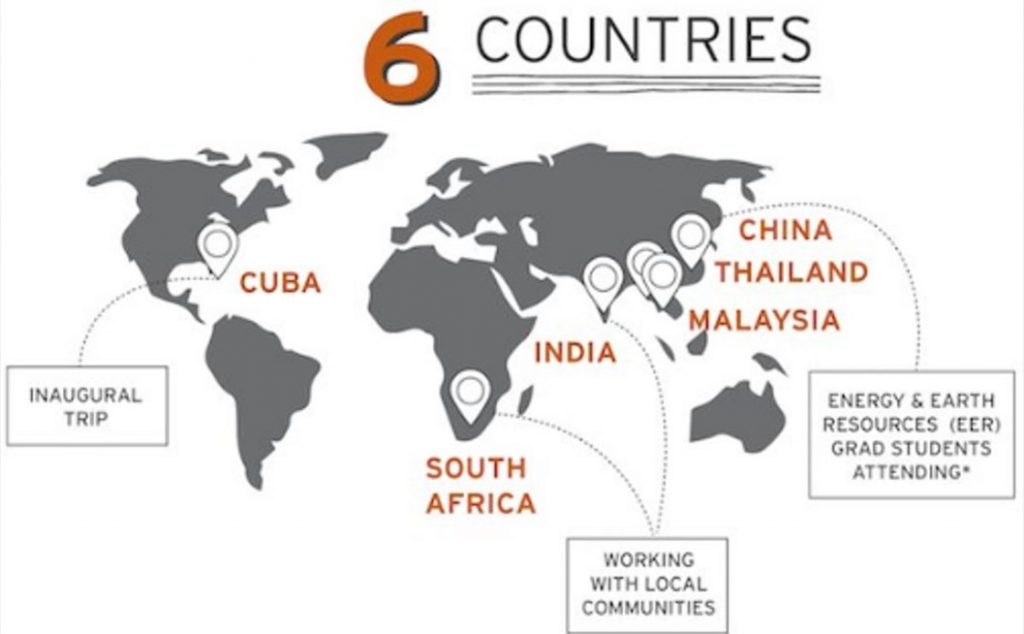
Texas MBAs went global this spring with study tours across six countries — Cuba, India, China, South Africa, Malaysia, and Thailand! These tours are part of the McCombs Global Connections (MGC) program: An eight to ten-day study tour to business powerhouses around the globe.

Image via McCombs Today

During these tours, Texas MBA students explore global opportunities and learn many aspects of conducting business outside the United States. Through guest speakers, company visits, project work, and case studies, MGC provides an incredible opportunity for Texas MBAs to explore the economy, major industries, local businesses, and culture in different nations, enhancing their transferable skills and understanding of different cultures to operate in an international market.

Global Connections 2017 enabled 134 Texas Full-time MBA students to participate in engagement experiences, including cultural immersion, business visits, conferences, and discussions.

India

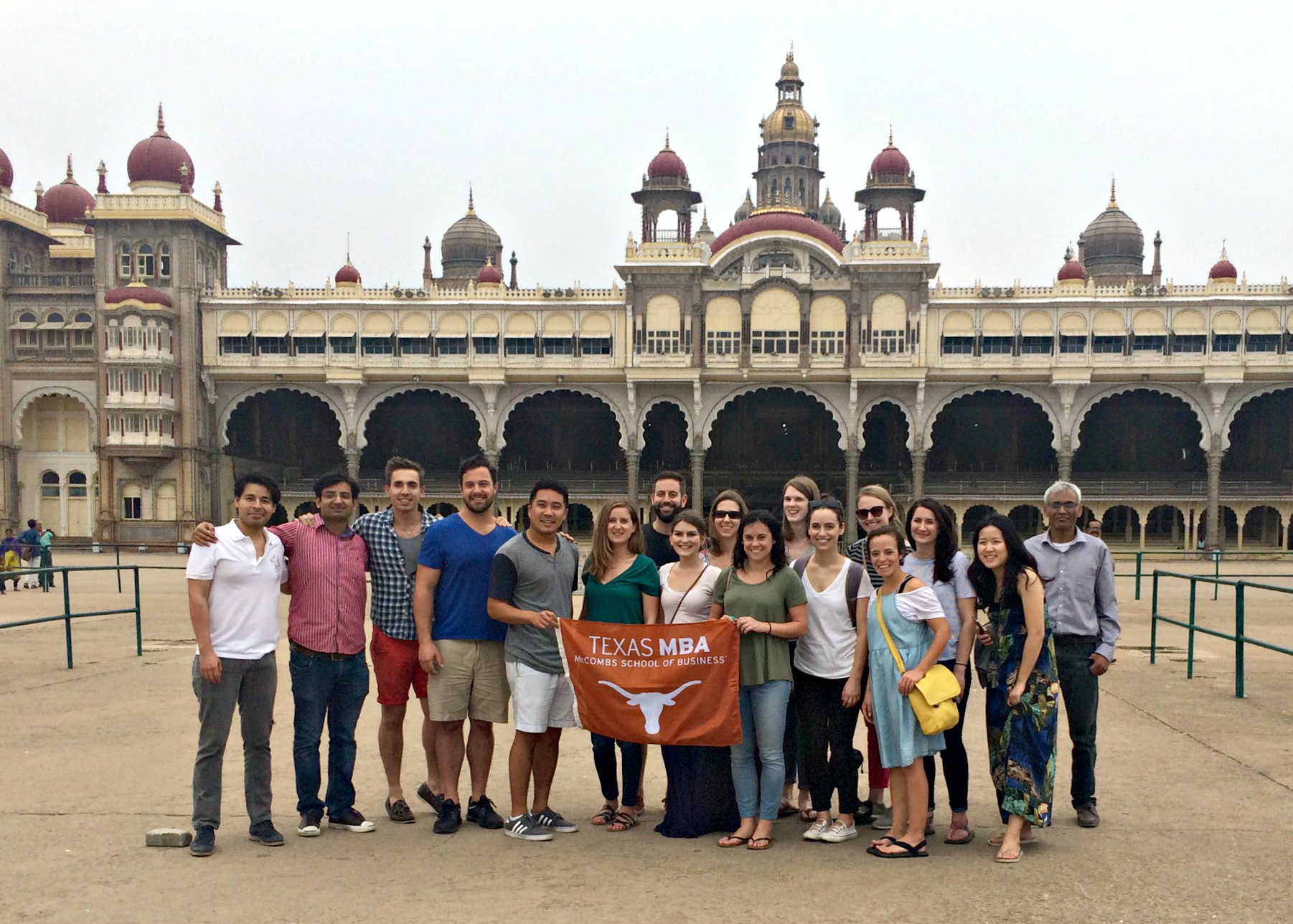
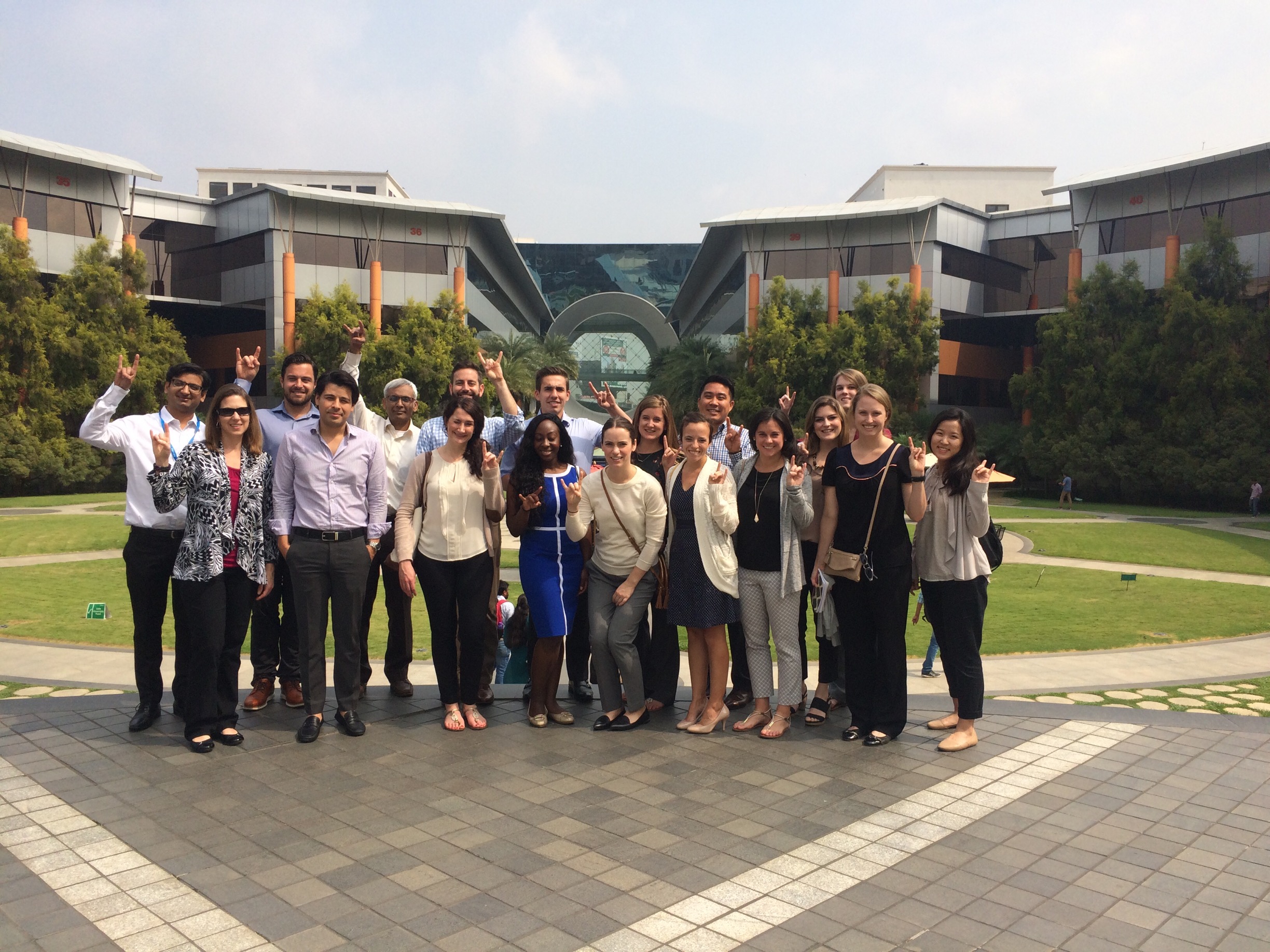
Texas MBA students visited local Indian communities and businesses such as Intel, Infosys, VMware, IBM and American Embassy in Bangalore and Delhi. Special activities included the Social Impact Day at Mewat Village and the “Our Native Village” cultural tour.

Exploring Indian culture. Photo by Deidra Stephens

Business visit to Infosys in Bangalore. Photo by Deidra Stephens

First Ever Cuba Tour

Texas MBAs had the opportunity to learn about the business operation and economic potentials in Cuba through a series of conferences, including the Conference on US-Cuba Relations, Conference on the Cuban Economy, Currency, Debt and Financial Institutions, and Conference on New and Micro Business Models in Cuba. They also attended local company visits to the Organopónico Vivero Alamar – Cuba’s most successful urban cooperative agricultural project and Autochapt – a non-agricultural cooperative /car repairing micro business.

Texas MBAs rode in nostalgic style in Cuba.

Texas MBAs in the first Global Connection Study Tour in Cuba. Photo by Shannon Moffett

South Africa

Texas MBAs immersed themselves in learning cultural differences and business practices in the “Think Impact Day Series” and business visits to Delheim Winery, Coca-Cola South Africa, and Heart Capital.

Global Connection Study Tour in South Africa. Photo by John Greely

Global Connections Study Tour in South Africa

Global Connections Study Tour in South Africa.

China

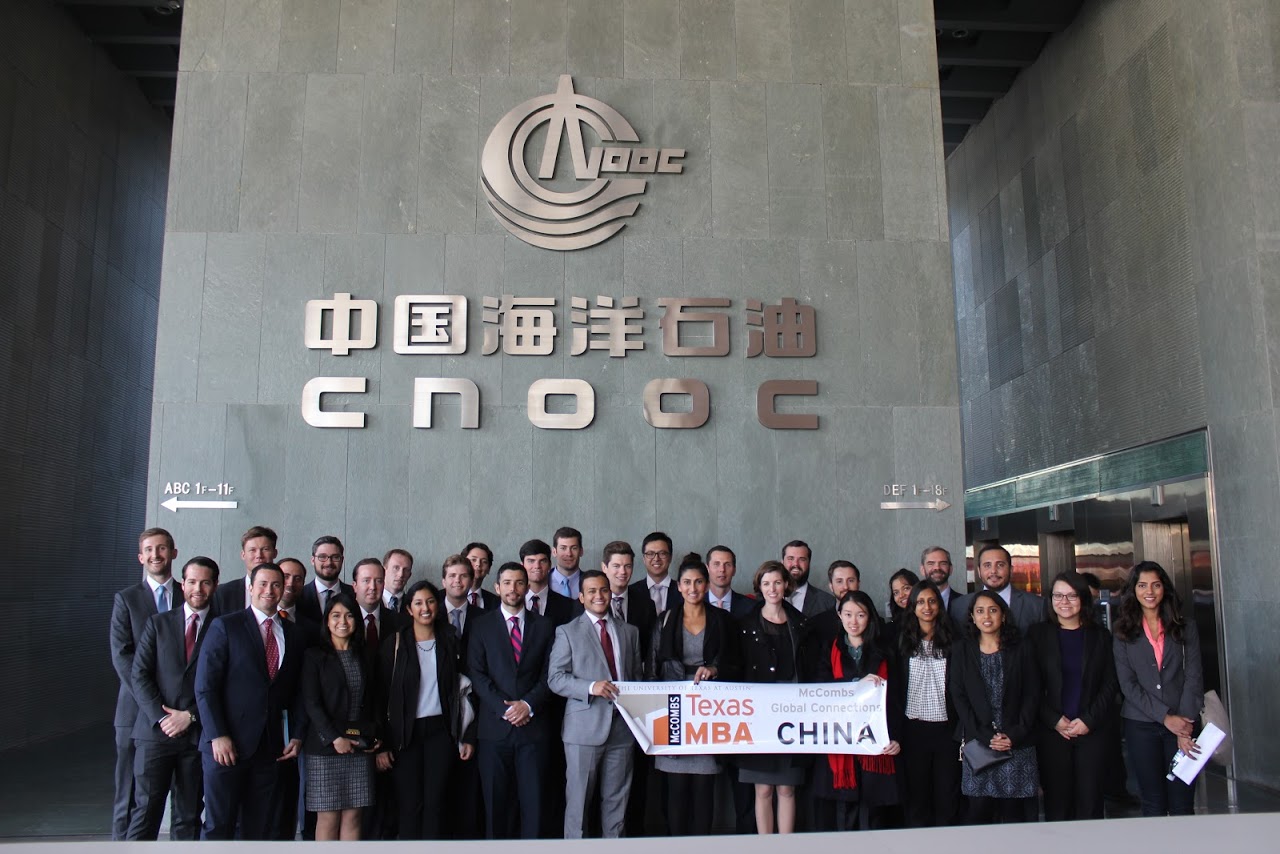
With three cities visited — Shanghai, Beijing, and Nanjing — the China Study Tour offered business visits to successful companies in China such as BYD, InterChina, Emerson, CSUN, CNOOC, and tours to major Chinese landmarks.

Texas MBAs at the Great Wall of China. Photo by Karl Novick

Business visits to China National Offshore Oil Corporation. Photo by Karl Novick

Southeast Asia (Malaysia and Thailand)

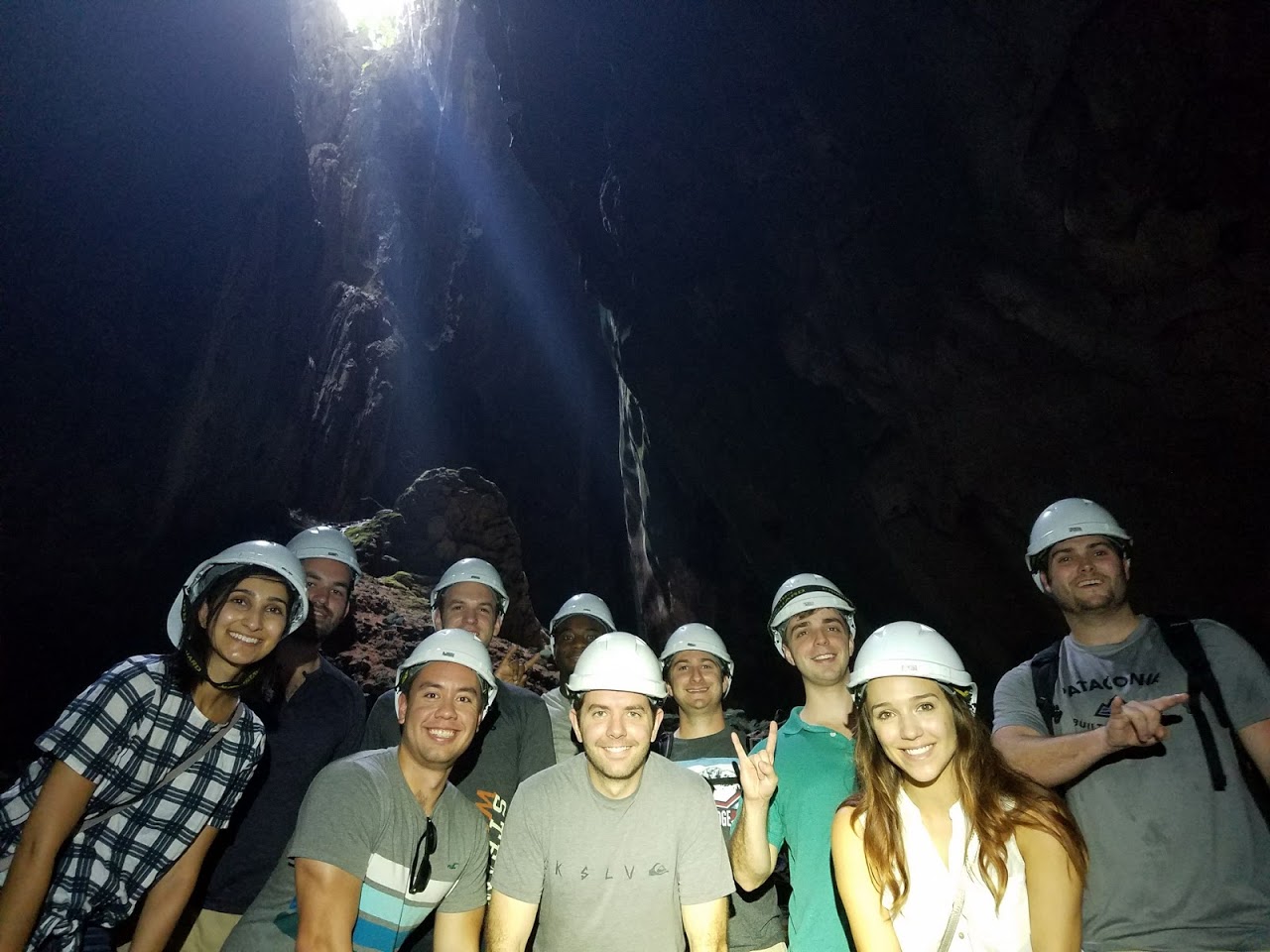
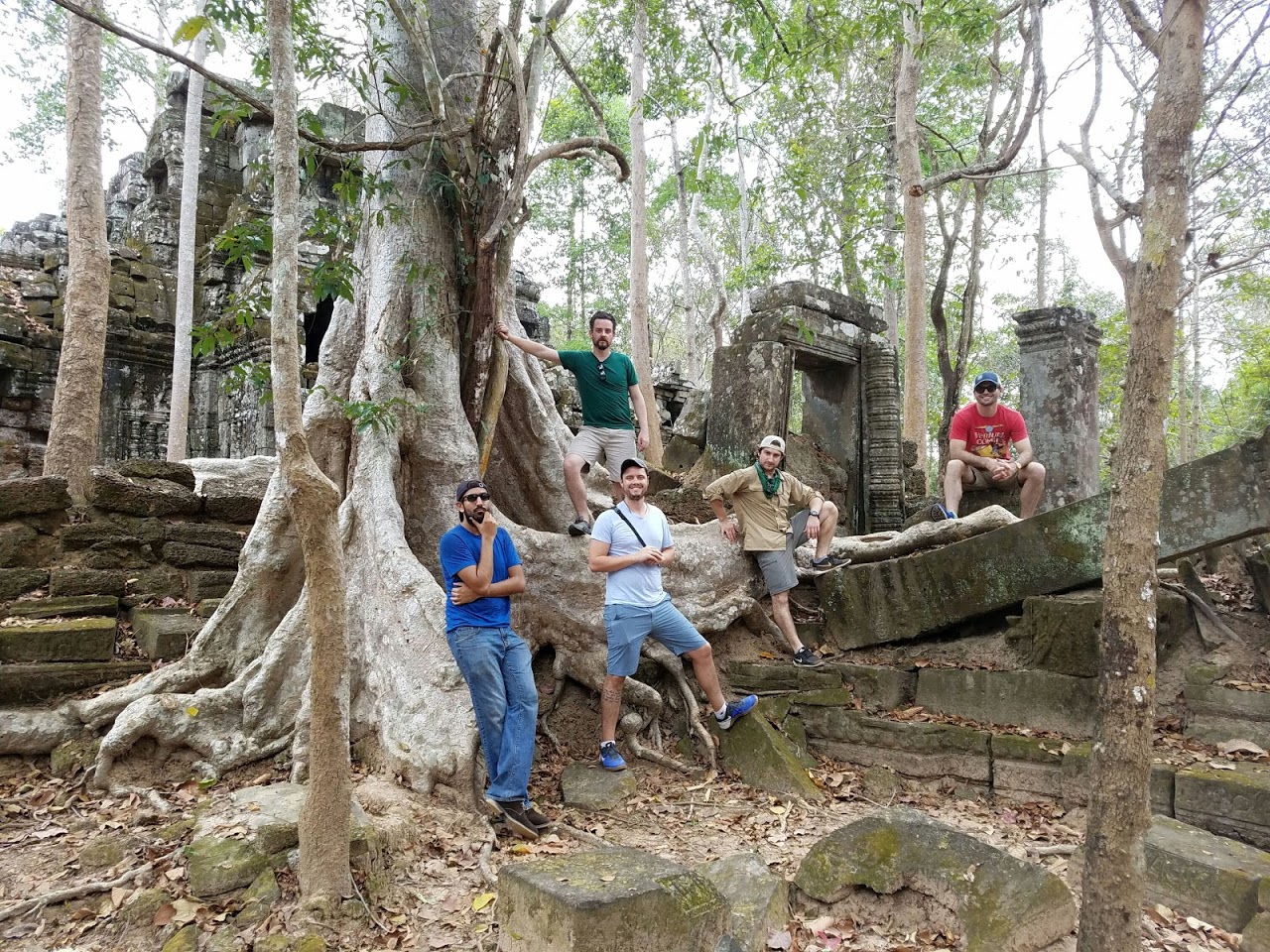
Two countries and three cities were visited in Southeast Asia’s Study Tour. Texas MBAs enhanced their cultural competency and global business operation skills with visits to the Malaysia Investment Development Authority, Emerson Process Management, NI Penang, Wong Engineering, and Western Digital.

Texas MBA students in Bantu Caves (Kuala Lumpur, Malaysia). Photo by Joel Obaseki

Siem Reap, Cambodia. Photo by Torrey Kolesar

Read more about the previous Global Connections Study Tour trips to South Africa, China, and Brazil.

For more info about the Full-time Texas MBA Program, visit our Facebook page or Twitter account, or contact us with any questions.

Hook’em!

Airplanes, Austin, Classes, and People – My Texas MBA Allure

I’ve spent most of my life living in the eastern time zone, so moving to Texas was a wild departure from my past. As I chatted with prospective students who spent their whole lives in the Northeast, or maybe even outside of the US, it made me remember the questions and priorities I had when I was seeking out business schools. Did I find what I was looking for in Texas? (Spoiler: The answer to that question is “yes”)

Here are four main things I was looking for:

1. I want to go work for _______.

Inside, I’m still a small kid, fascinated by the prospect of two giant jet engines propelling a 300+ ton wide-body airplane up into the sky. I always wanted to work for the airline industry – yes, that pressurized metal tube, shoes off, delay-prone industry. Knowing this, I set out to find a school that gave me the best chance at fulfilling my ambitions. It was the active and well-connected alumni network, the well thought-out career support system, and Texas’ historic strength in the industry that made the school so attractive to me. In fact, it was one of the alumni that helped convince me that I would have the connection and resources at McCombs to get where I wanted to be.

Importantly, it’s not just the connection to a dream job or function that mattered. The relationship to my career aspirations, the career management staff and system strength, and diverse experiences of my classmates mattered just as much. I asked my self, “can I develop a connection with the career staff who will have my best interest in mind?” “Is the career support system proactive?” Thinking back, I made absolutely the right call.

(For brevity sake, I left out the next seven paragraphs about airlines. I have been known to talk people’s ear off about it…)

2. The Neat Outdoor-sy City Called Austin

First off, I spent most of my life in the frigid tundra of the Midwest. I loved the snow (and snow days!), and thought it had a bad reputation. When I descended on Texas, freezing weather was somewhat a foreign concept.

IMG_3058

Austin’s Freezing February

Seriously though, Austin’s an outstanding outdoors town. It’s actually a neat town in general. I like to spend a lot of time outdoors – playing tennis, ultimate Frisbee, jogging – and in the ten different cities I’ve lived in my life, Austin’s has by far the best trails, courts, and the weather to enjoy it all. If you’re not familiar with the area, definitely check out Barton Springs Pool the next time you’re here. It’s Austin’s natural river open for swimming nearly all year-round

IMG_2624

Hiking the Barton Creek Trail with Classmates

3. A Customizable Curriculum

By now, you’ve probably heard about our class structure – two years, four semesters, mandatory core classes to start. But it’s the brevity of the required core curriculum that was especially attractive. After all, the Full-Time Texas MBA Program is only two years / four semesters long.

When I was looking at the Texas MBA Program, I was concerned that the small class size meant less options for electives. Many case/discussion-based classes need critical mass to tap into the proverbial “wisdom of a crowd”. That said, I discovered a surprising number of interesting electives for a program that currently averages 270 students per year, because there’s so much time to take electives (nearly three-quarters of the program are reserved for electives).

A great example of a course that shows the diversity of our electives is “Corporate Governance” taught by Professor William Cunningham. To analyze a Board of Director’s important duties and responsibilities, the Professor invites several former and current senior executives from various companies to address the class. I’m taking this course this semester; it’s a rare opportunity to take a course where we can learn from today’s business leaders. And so far, it has been quite a treat.

4. The People

It’s a bit of a clichéd concept, but I believe that people can make the greatest difference. I always tell this anecdote about how I started to see UT as the place for me. Last year, I was making my decision on business schools, and visited Austin to check out the city and the university. Incidentally, it was the Austin Marathon weekend. There was something about the volume of energy and excitement around the city that surprised me, even if it housed a very large public university.

When I visited McCombs, it was much the same. The important thing to ask is – do I see myself with these people as my classmates? Would I enjoy their company, and be able to work with them? After talking to the current students, the faculty from the class I was able to shadow in, and even random people in the atrium, I think I saw myself fitting in just fine.

IMG_2467

Texas vs. Cal from the MBA Student Section! (I believe we were winning at this point…?)
Conquering a Finance Case Challenge

I recently participated in the 2015 Finance Challenge, where I joined a team with three of my classmates in analyzing a business valuation case study and presented our solutions to a panel of judges.

Here are my top five favorite moments of the Finance Challenge:

  1. Forming our dream team

The first step in any case challenge is assembling a team of four classmates who are interested in participating. The best teams are diverse – not just in cultural background, but also in skill set, work experience, and future goals. This is valuable because your team can generate unique ideas, you can learn from others’ experiences, and your presentation will be dynamic. McCombs has a wealth of diversity, so it wasn’t hard to create a solid team. I teamed up with a former investment banker, a former lawyer and banker, and a small business owner – and two of my teammates were even married!

image12

  1. Preparing to tackle the case… with Home Slice Pizza

One of the key elements in preparing for a case competition is social time. After we received our case materials, we visited an Austin staple – Home Slice Pizza – where we talked about the case’s important issues and our ideas to solve them over two large pizzas and a bottle of Chianti. This dinner set the tone for our whole approach to solving the case challenge – relaxed, yet confident and efficient.

homeslicepizza

  1. Cracking the quants

The inner nerd in me (okay, I’m kind of an “outer” nerd, too) was extremely excited to build the financial valuation model for this case. So naturally, it was one my favorite moments. Our whole team was eager to flesh out every detail necessary to make the perfect model. We utilized topics and frameworks that we learned in our core corporate finance class as well as the “flex-core” valuation class. I suppose my background in financial consulting and my teammates’ banking experiences may have helped, too…

  1. Delivering the presentation

Case competitions are a great way for students to practice their presentation skills. As a former consultant, I did quite a bit of presenting, and I really enjoy public speaking. It was exciting to discuss our analysis with the judges and hear their feedback. For those who are looking to improve their communication skills, McCombs provides an invaluable resource: MBA+ Coaches. The MBA+ communication coaches are all current candidates or graduates of the UT Communication Studies PhD program, and they are available to all full-time MBA students to help with speech anxiety, interviewing, networking, writing, and more.

  1. Networking and celebrating

After the challenge was over, we chatted with the judges and other recruiters who attended the event. We reflected on what we learned from the challenge: how to remain cool under pressure, how to sift through loads of information and data to determine the key issues, and how to work closely with your peers to come up with the most innovative solutions. Then we went to happy hour at Uchi (another Austin favorite) to celebrate our success with our significant others. There’s nothing like a few sushi rolls and a glass of sake to cap off a week of late nights, early mornings, and a successful competition.

DSC_4735

Hook ‘em!

-Tim Carreon, Class of 2017

A Texas MBA Degree = A Head Start to Your Dream Career

That six figure salary; The desire to travel the world; The ambition to make a difference. These are some of the reasons  that bring us to business school and we all hope to fulfill these aspirations through that dream job at the end! At McCombs, the faculty strives to help us to do exactly that through the many resources the business school has to offer.

If you see the class BA181 in the MBA curriculum and wonder what it’s about, I’m sure you are not alone. When I came to business school, I was surprised to find not only core classes in Finance, Accounting, Economics, Marketing and Operations but also one dedicated to Career Management. This unique class is perfectly designed to prevent the ever-busy MBA from losing sight of that end goal: To not just get a job, but the right job. It is led by an extremely talented Career Management team who provide you with a road map to reach your goal. Outside of class, they are always accessible to provide advice on topics ranging from career switching, networking, resume writing, interviewing, or sometimes just providing a shoulder to lean on for advice.

Besides a dedicated Career Management team we also have access to communication coaches who help up build our brand and communication skills through personal coaching sessions. Being an international student still learning the ropes of a new culture, these resources have been extremely useful to me. I am able to walk up to the team with questions that sometimes seem silly to me, but have always gotten the support I need. This has helped me greatly during networking events and career fairs. Learn More.

Our schedules are packed with information sessions and networking events with over 350 companies visiting campus! This can sometimes get stressful with homework, exams,  and networking all happening at once, but it has opened up a world of opportunities.

   CC Reception 1015

           Networking Reception at McCombs Career Fair          

             Tech Trek - Facebook 0115

 Tech Trek visit to Facebook

Career resources come in many forms and one of the most valuable is the UT network. Being part of this big network gives you access so alumni and seniors who are always willing to help the next generation of graduating MBAs. My personal experience reaching out to alumni has always been extremely pleasant. They are always willing to take time out for students from their Alma Mater no matter how busy their schedule. The collaboration that the Texas MBA program fosters stays with you long after you leave school. Alumni and staff are always there to help you succeed.

Finally, the biggest resource offered is the University of Texas and McCombs brand. Every day I learn of the many doors this brand opens up to students. With alumni spread across many industries and companies all around the world, the brand brings with it immense opportunities that I am learning more about every day.

How to Survive as a Liberal Arts Major Turned MBA

When you hear “debit,” do you think about your bank card? What about statistics? Does it make your stomach churnI Regret Nothing - Friends GIF just a bit? Is Excel only a program that’s used to conveniently sort rows and rows of data? In undergrad, did you purposefully avoid expensive calculators and figuring out what X was (again!)? If so, you’re probably one of my fellow liberal arts majors: Journalism, human resources, psychology, history, the list goes on and on.

While we know that most of our majors are divergent in practice, there is at least one glaring common thread that binds our educational and professional experiences together: Relatively minimal math.

Now, this is definitely not a slight to any of you that may actually regularly use quantitative skills on a daily or even weekly basis in your current position. However, notice that I said “relatively minimal.” Compared to many of your classmates who will be sitting next to you on the first day of class, you’re behind the math curve, and in the MBA classroom, learning these skills isn’t just part of the curriculum – it’s an expectation, and if you’re less familiar than those who have more advanced skills in these areas, the effort to maintain pace can become much more exacerbated.

So, let’s assume that you’ve taken the GMAT, you’re pleased with your score, and you’ve submitted your applications. Now what? Well, as you prepare for interviews, and even after you’ve plunked down your deposit on your choice program, it’s time to strengthen those quantitative muscles so that you’re able to flex them on day one.

Pro Tips! Here’s a list of things I recommend for those idle days pre-MBA:

    • Take an Intro to _____ class: Fill in the blank on this one. At McCombs, our core classes are very quant-heavy. In the first quarter of the semester, you’ll take Accounting, Finance, and Statistics, and in the second quarter, you only build on the skills you learned in the first, so it’s very easy to become overwhelmed if you’re not familiar with the material. Further, many in your class will have been a strong business or engineering background, so many of the concepts will be more review for them and may be completely new and foreign to you. Taking an MBA-level stats class as your first statistics class has a very steep learning curve, so audit a community college Intro to Statistics or Intro to Finance class during the spring or summer. If you’re able to know what a Z table is before the first day of class, you’re already one step ahead of where I was. An added advantage of taking a class at a local junior college is that it begins to prepare you to actually be back in the classroom, which will help with the initial transition from work back to school.
    • Read up on Excel: I used to think I was really good at Excel, but it turns out, it was only because everyone around me was not as good. Lesson learned: It’s all relative. I have a classmate on my study team who is a former IT analyst, and when we worked on Excel models together for homework, I would never, ever see him touch his mouse. He was a true Excel ninja, and the rest of my study team were in absolute amazement. Don’t take this to mean that you have to learn all of the Excel functions, shortcuts, and formulas before you begin your program, but you should have more than a basic understanding of what Excel is able to do prior to your first class. I recommend reading Marketing Analytics by Wayne Winston, which is our textbook for Analytics of Markets. It’s not a book that you read at leisure (it’s over 700 pages), but it does show you step-by-step how to use Excel functions in ways that you will be expected to know. The best part is that on the book’s website there are a ton of Excel spreadsheets that serve as companions for the exercises in the book, so you’re actually getting hands-on experience. Also, you may ask someone who knows Excel pretty well to sit down with you and teach you the basics, but it’s a bit more difficult to do this when you don’t know what you don’t know.
    • Don’t be scared of numbers: It took me a while to decide to come back to get my MBA because I was honestly scared of numbers. Studying for the GMAT helped me to mitigate that avoidance a bit, but I wish I had done more to really prepare for MBA-level math because the concepts come quick and it only builds from there. Go to a used book store and get an MBA-level textbook, read the chapters, and do the practice problems. The best thing you can do as a student who has more qualitative skills than quantitative skills is to recognize that and commit time and energy into strengthening those areas. On the first day of class, you want to feel like you have a reasonably good idea of the segments of the curriculum, which will strengthen your ability to positively contribute to the class.
    • Utilize free online courses: There are so many free remote learning resources available, and I would recommend browsing sites such as Coursera.org or Smart.ly to find a course that is most tailored to the skill gaps that you may have. My favorite site pre-B-school was Coursera. It includes dozens of free MBA classes that are taught by top MBA professors. For instance, I enrolled in a free accounting class, which allowed me to really understand the basic and more advanced concepts before I began my actual coursework. An alternative to these sites is MBAMath.com. It’s a bit dry in its delivery, but the content is absolutely necessary. Although it does have a flat annual subscription fee, it’s minimal, and you are able to access the site throughout the year for supplemental learning as you continue through your actual MBA coursework.

Good Luck and Hook ’em!

Marketing Case Challenge

For those of you just getting to know the MBA experience along with classes, recruiting, networking, and “networking with classmates” (i.e.: having some fun…), case challenges are a (sometimes overlooked) piece of the puzzle.

Case challenges are sponsored by companies and are generally real-world questions that the companies are actually working on.

There are basically case challenges for everything: finance, marketing, global, and operations are just a small portion of them. Usually, they’re overnight competitions where interested parties self-select teams of 4 people to compete against either their classmates or against other schools (depending on the competition). They usually have cash prizes for the top three places, and they generally give out swag for other stuff (best speaker, best deck, etc.). Judges are representatives from different companies, so they’re great networking opportunities as well.

This year, rather than an overnight challenge, the marketing case challenge was a week long. Teams received the case on October 21, submitted their completed presentations by October 28, and presented on October 30. The competition was sponsored by Walmart and focused around how Walmart could use Pinterest to target millennials. For someone with a consulting background who worked in healthcare, public sector, and cable, this was a pretty big change.

Here’s the team vigorously (sort of) finishing the deck to get it submitted before the deadline:

IMG_3942

Little did we know… they had an extra surprise in store for us during the competition… A TORNADO WARNING! Here’s a small group of us after we made it to safety:

IMG_20151030_090019

Hook ‘Em, pre-presentation style:

IMG_7291

A picture of the ultimate victors:

IMG_20151102_131109_01

And finally, the second place team celebrating:

IMG_20151102_140518_01

Personally, it was great to get to go through this. I learned a lot about marketing through the conference, and I honestly came in not knowing what I would gain from the challenge. After going through, it was awesome getting to work with people outside of my typical study team, get some marketing experience, and work on building my speaking-skills. Plus, the case was really interesting and relevant for anyone who has an interest in marketing.

There’s also a marketing conference that goes along with the case challenge each year which, this year, focused on “whole-brained marketing” (i.e.: How good marketers today own a combination of creativity and analytics skill-sets). The two keynote speeches were from Peter Horst, CMO, Hershey, and Kip Knight, President, H&R Block US Retail Operations, but the entire panel of speakers was awesome

Full details on the conference here or,
Check out the Storify feed. Hook ’em!

How We “Slack” in The Texas Executive MBA Program

slack user growth

Slack is a new online collaboration tool (and is super addictive!) [.gif source]

If you read the title of this post and thought it would be about Executive MBAs slacking off, you’re about to be slightly disappointed. Slack is a new, hyper-addictive online messaging tool that the Texas Executive MBA Class of 2016 started using last August, before our first seminar, to communicate with one another. One of our classmates, Josh Treviño, uses Slack at his office and suggested we set up a team account. Slowly but surely, students began trickling in, tentatively posting questions about pre-readings or class schedules.

The early days of our Slack environment were like being in a library: a place to request or look for information, quietly and without bothering anyone.

Fast-forward to nearly a year later, and our Slack team is more like a bustling conference at a convention center, with hallways and rooms to duck in and out of, people laughing in one corner and others sharing useful tips and tricks in another. Not only has Slack helped us find the program information we need, but many credit the tool with our class’s ability to form strong bonds with one another. Inspired by Bill Morein’s How We Slack at FiftyThree, which discusses business uses for Slack, we wanted to share how Slack has helped busy students like us, as Slack’s tagline promises, “be less busy.”

slack for education and universities

General Channel

We have one channel, #general, that anyone can join – and pretty much everyone has. This is where the chit-chat takes place, and can run the gamut from people asking questions about which elective to take, to updates received by individual students about the program, to people testing out their Slackbot-programming skills.

Class Channels

Channels named after our classes each semester help keep things organized. Think #financial-management, #managerial-economics or #strategic-management. If you’ve got a class-related question, need to track down a file, or are just looking for some motivation to work on a paper or study for a big test, this is the place to do business. These channels are archived by the moderators a few weeks after classes wrap up so they don’t use up valuable storage space.

Funny Quotes Channel

Being in one of the Top 20 MBA programs in the country means you’re always surrounded by smart, quick-witted people, whether they are your classmates or professors. A few weeks into our first semester, there were so many funny verbal exchanges happening in and out of class that often times were also some of the best learning moments. #funnyquotes is where the greatest ones get memorialized. A gem from the #funnyquotes feed recently: “Shake hands, kiss babies, and never confuse the two.” That’s Dr. John Daly, professor of our Advocacy elective.

Jobs Channel

Whether you’re looking for a new job or know someone who is, our #jobs channel has helped several people swing to the next vine. It also serves as a place to ping classmates for connections within companies (usually someone has an “in!”), solicit resume advice, compare notes on the executive coaches in the UT Career Services program offers, and offer referrals of candidates who may not be in our program.

Hobby Channels

We’re a diverse group and that extends to our hobbies. Among our hobby channels, we’ve got #field-and-stream for the outdoors-men/women in the program who like to hunt and fish, #wine-club for the group that shares a mutual love of wine after class on the weekends, #chinese for those who want to learn more about the Chinese culture prior to our class trip to China next May, and #hangout which serves as a catch-all for people who want to coordinate grabbing lunch or a drink with a classmate in the area.

Private Groups

There is the option in Slack to send private messages, as well as create private group messages. In my study group’s case, we have a private group titled “Goose” (named after our team name, “Two O’s in Goose”) set up to share notes about group work, gatherings, and inside jokes (most of which, unsurprisingly, involve references to Top Gun).

Questions about Slack or its uses for student communication? Feel free to leave them in the comments below, or tweet at me at @racheltruair.

Perfecting Your Value Proposition to Get the Job You Want

Uncapped red pen sits atop resume, ready to perfect it to get the job you want.

You’ve just found your “dream job” posted online. Now, you’re rushing to submit your resume in hopes of being called for an interview. But, when you push the “submit” button, your stomach churns as you wonder “Will they see what they are looking for? Were my resume and cover letter compelling enough?”

If you’ve ever applied for a job that you knew was perfect for you, but never received a reply, then these tips are meant for you. Developing and perfecting a strong “value proposition” – what you uniquely have to offer a company – is the most important Continue reading

Older posts Newer posts
Skip to toolbar