Pursuing an MBA while working full-time is a significant investment—both in time and money. If you’re considering Texas McCombs for your MBA journey, you’re looking at a program that US News & World Report ranks as the #6 Working Professional MBA and #12 Executive MBA program in the country. But like most working professionals, you’re probably wondering how to make this investment more affordable.
Here’s the reality: scholarship opportunities for our Working Professional and Executive MBA students are limited, but they do exist. More importantly, there are multiple funding paths that can make your Hildebrand MBA at Texas McCombs financially feasible. Whether you’re considering our Evening or Executive MBA in Austin or our Weekend MBA programs in Dallas/Fort Worth or Houston, understanding all your options is the first step toward making your MBA dream a reality.
Most successful Working Professional and Executive MBA students don’t rely on just one funding source. Instead, they combine employer support, federal aid, and sometimes scholarship awards to create a financing strategy that works for their situation.
McCombs Working Professional MBA Scholarship Options
Let’s start with what many prospective students ask about first: scholarships. Texas McCombs offers Admissions Recruiting Awards specifically for Working Professional MBA students across all three locations. The good news is that every applicant is automatically considered for these awards during the admissions process—no separate application required.
These scholarships are merit-based, with some consideration given to financial need. They’re designed to recognize candidates who demonstrate exceptional academic and professional achievement. However, it’s important to set realistic expectations: these awards are limited in number, and the funding available varies from year to year.
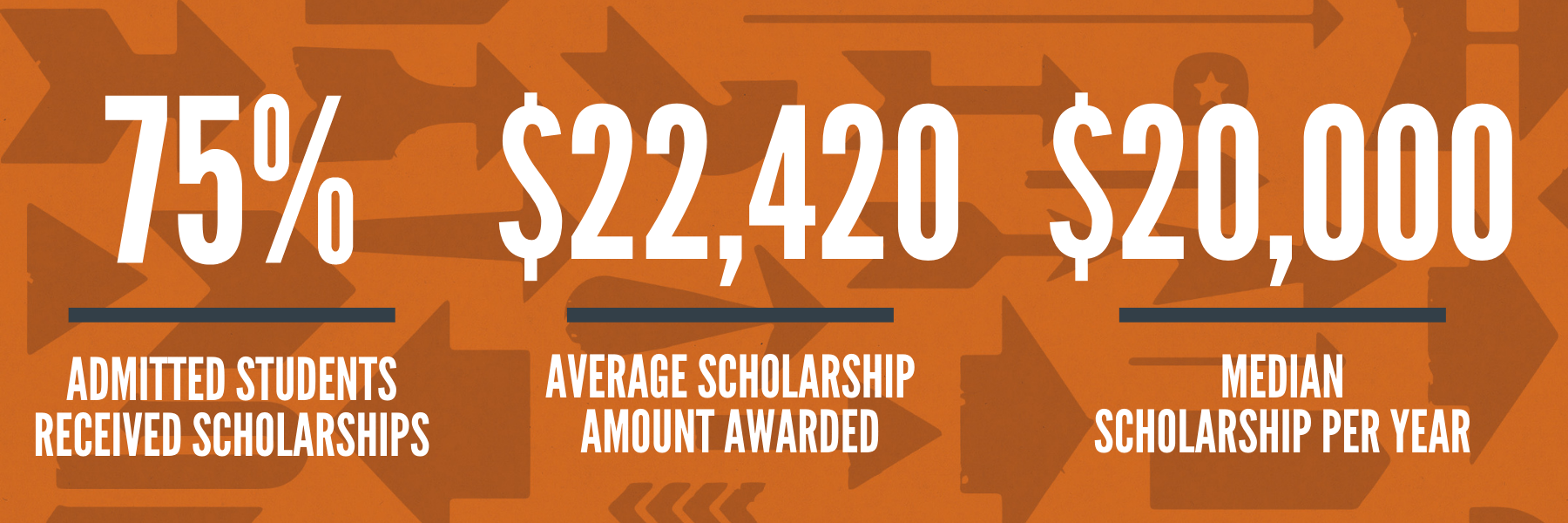
When scholarships are awarded, amounts vary, but the average is around $10,000 for the duration of the program. The exact percentage of students who receive scholarships changes annually, but historically it’s between 10% – 15% of our incoming class.
If you’re applying early in the admissions cycle, you may have a slight advantage. More scholarship funding tends to be available in the earlier rounds, so submitting a strong application for Round 1 deadlines can improve your chances of scholarship consideration.
McCombs Executive MBA Scholarship Option
While Executive MBA students do not receive Admissions Recruiting Awards, they can apply for the EMBA Legacy Scholarship each year they are in the program. Generally, the EMBA Legacy Scholarship is a cash award up to $5,000. The application process is handled by the EMBA program coordinators in the spring.
Veteran Benefits and Support
Military veterans have access to several valuable funding options for their Working Professional MBA.
- Post-9/11 GI Bill®:Veterans can utilize their Post-9/11 GI Bill benefits, which provide tuition assistance along with housing and book stipends that can significantly offset program costs. UT Austin’s Veteran Certification Team works directly with students to optimize these VA Education Benefits alongside any McCombs scholarships or waivers you might receive.
- Hazlewood Exemption: While the Texas Hazlewood Act tuition exemption doesn’t apply to Working Professional MBA programs, McCombs offers a separate Texas Military Waiver that can provide comparable financial relief for eligible veterans. This waiver is designed specifically to support military students in our part-time programs who may not qualify for traditional state benefits.
Beyond Scholarships: Other Funding Sources
Given the limited nature of scholarship funding, most professional MBA students finance their education through other means. The advantage of being a working professional is that you have access to funding sources that full-time students don’t.
Employer Tuition Assistance
Many companies offer tuition assistance or reimbursement programs for employees pursuing advanced degrees, especially MBAs. This is often your best bet for significant funding support. Employers recognize that professional MBA students bring their learning directly back to work, making it a solid investment in their workforce.
If your company doesn’t currently offer tuition assistance, consider making a business case for it. Highlight how the skills you’ll gain can benefit your current role and the organization’s goals. Some employers will create ad-hoc arrangements even if they don’t have formal programs.
Start this conversation early—ideally before you even apply. Some companies require pre-approval for tuition assistance, and you’ll want to understand any commitments they might require (like staying with the company for a certain period after graduation).
Loan Options
- Federal Loans:S. Citizens, Permanent Residents, and other eligible non-citizens can typically access the Federal Direct Unsubsidized Loan for part-time MBA programs. You’ll need to complete the Free Application for Federal Student Aid (FAFSA), to be eligible. The 2026-2027 FAFSA is already available. At the latest it is recommended you have your FAFSA completed by June 1. The Federal Direct Unsubsidized loan may offer better terms than private loans, including fixed interest rates and flexible repayment options. The amount you can borrow is $20,500, the annual limit, for an academic year (fall/spring/summer) .
- Private Education Loans: Private/alternative loans are an option available outside of the federal or state student loan programs. These loans can fill gaps that federal aid doesn’t cover, or you may decide to forego the Unsubsidized Loan completely and borrow only private loan. Students who plan to take only private loans do not need to complete the FAFSA. Ethically, the University cannot currently recommend lenders, so shop around if you’re considering this option. One practical tip: check how long your loan approval remains valid to make sure it won’t expire before you start the program.
While McCombs can’t be your co-signer nor recommend specific private lenders, the Office of Scholarships and Financial Aid works with all major banks and lending institutions once you’ve secured approval elsewhere.
External Scholarships
Don’t overlook smaller scholarship opportunities. Professional associations in your industry sometimes offer scholarships for members pursuing MBAs. These tend to be smaller awards, but every bit helps, and they’re often less competitive than major university scholarships.
Recipients of outside scholarships can find payment information to provide their donor here: https://finaid.utexas.edu/ut-financial-aid-policy/outsidescholarshipspolicy/
Maximizing Your Funding Strategy
The strongest scholarship candidates typically have a few things in common: strong academic records, competitive standardized test scores (if submitted), and clear evidence of professional leadership and impact. If you’re serious about scholarship consideration, applying in earlier admissions rounds gives you the best shot at available funding.
But remember, most successful professional MBA students use a combination of funding sources. Your strategy might include employer tuition assistance for a portion of costs, federal loans for another portion, and personal savings or payment plans for the remainder. This approach often proves more reliable than hoping for a substantial scholarship award.
Next Steps
The best time to start planning your MBA financing is before you apply, not after you’re admitted. This gives you time to have those conversations with your employer, complete your FAFSA if applicable, and understand all your options.
Key deadlines to keep in mind: FAFSA typically opens October 1 and MBA application deadlines vary by program and round. If you’re targeting scholarship consideration, focus on those earlier application rounds.
Have questions about funding your McCombs MBA? Our admissions and financial aid teams are here to help you navigate these decisions. Don’t let financing concerns keep you from exploring what could be a game-changing investment in your career.
The path to funding your Working Professional and Executive MBA might involve multiple sources, but with planning and the right strategy, your Texas McCombs MBA education is more attainable than you might think.